Artist Q&A: Reconstructing the Self
Jialin Guo in conversation with Hebe Huang
Curator, Screens in the White Box
Director, Creative Asia Art Centre
In this post-exhibition conversation following Screens in the White Box 2026 at Creative Asia Art Centre, Melbourne/Naarm-based artist Jialin Guo (Jaeger Freeman) speaks with curator Hebe Huang about the ongoing THE HUMAN RECORD. The project brings photography, archives, language and AI interpretation into dialogue, asking when a partial record begins to speak for a person. From the material traces of discontinued peel-apart film to the recorded person's right to respond, correct or refuse an interpretation, the conversation centres on human agency across different recording systems, rather than a final, accurate portrait. Babel, writing and memory take the discussion beyond photographic technique to the limits of understanding between people. The portraits accumulated on opening night make the relationship between individual records and a collective archive visible.
A record may be true without being complete. But as increasingly centralised data records combine with automated agents, individuals may gradually lose control over how they are interpreted and how they act. This is a little like montage and the Kuleshov effect in cinema: each shot can be truthful, yet selection, omission and arrangement still allow a director to guide an audience towards a particular understanding. System records work in a similar way. The question is not only whether data is true or false, but who decides which fragments are retained, how they are assembled, and on whose behalf those fragments ultimately make judgements.
Q1. What is THE HUMAN RECORD?
THE HUMAN RECORD began with a fairly simple question: what happens when a person's data becomes a record within a system?
A photograph is a record. So is a handwritten sentence. Biographies, database entries, institutional categories and machine-generated interpretations are records too.
These things are not necessarily false. Nor is the process of being recorded by a system, or the outcome of actions carried out by an agent, always voluntary. The problem is that every record can only see part of a person. As the project developed, I became less interested in simply making a portrait and more interested in asking what happens when a partial description begins to acquire authority.
When does a record stop being a way for someone to express themselves and begin speaking for them—or even judging them?
That question led to the project's central proposition:
A HUMAN MAY ENTER THE RECORD, BUT NO RECORD HAS FINAL AUTHORITY OVER THE HUMAN.
Q2. Why THE TOWER OF BABEL, and what does “Reconstructing the Self” mean?
For me, Babel is less an illustration of a biblical story than a way of thinking about the distance between people. I increasingly understand information asymmetry as a basic condition of civilisation's formation and the evolution of institutions. Different recording systems also keep moving between concentrating interpretive authority—a centralised civilisation—and distributing it—a decentralised civilisation.
We can interpret one another, but we cannot fully enter another person's experience. Language, symbols and other means build tools and systems for interaction. They help us cross that distance, but can never remove it completely. Platforms with highly centralised, integrated information can even acquire a one-directional authority to judge individuals. Photography does this too, as do archives.
In that sense, translation is necessary precisely because we cannot know another person directly and completely. Think, for example, of the transparent bodies and “telepathy-like transmission” of the extraterrestrial intelligence in The Three-Body Problem.
This is where Reconstructing the Self comes from: reconstructing slightly different versions of the same person. A photograph says one thing, language says another, and a machine-generated interpretation may offer another account again.
I am not trying to decide which version is the “real” person. I am more interested in keeping these different versions visible without allowing any one of them to become final.
Q3. You have recently connected the project with Genesis, Cangjie, Anyang and Wittgenstein. How do these references enter the work?
They come from different cultural traditions, but help me approach the same question from different directions.
In my reading, the fruit of knowledge symbolises the emergence of judgement, self-awareness and boundaries. In the Western story of Genesis, Eve eats the “fruit of knowledge” in the Garden of Eden, and in that instant boundaries arise between individuals. That is the moment that interests me.
Human beings gain the ability to judge without becoming all-knowing. They do not become all-knowing, yet boundaries emerge between them. These boundaries are the source of information asymmetry. They can develop towards good, becoming privacy and freedom, or towards harm, leading to deception and collusion. Rather than read this as theology, I see it as a metaphor for civilisation and the condition in which we now live: we can interpret the world, but can never possess complete knowledge of it.
My family roots are in Anyang, Henan, so I also often think about writing as a tool. Anyang is closely connected with the oracle-bone inscriptions of Yinxu. The Chinese legend of Cangjie offers another cultural image of the moment when experience becomes writing. The ancient Huainanzi, in its chapter “Benjing Xun”, records: “In ancient times, when Cangjie created writing, grain rained from heaven and ghosts cried at night.” Once something is written down, it can continue to exist after a person has gone. Yet the person who is recorded loses the right to respond. Perhaps this is the moment when the chains of literate civilisation appear—and why ghosts and spirits cry through the night.
Wittgenstein brings me back to the limits of language itself. Incomplete language lets us describe the world, but also sets conditions for what can be said and understood. Incomplete tools of communication then produce a systemic civilisation of information asymmetry. This is a question about the evolution of centralisation, decentralisation and the cybernetics of civilisation.
Across these references, I keep returning to one question: how does a partial sign gradually become a system, and ultimately begin making judgements or even carrying out actions on behalf of a whole person? Where, finally, are we as human beings heading?
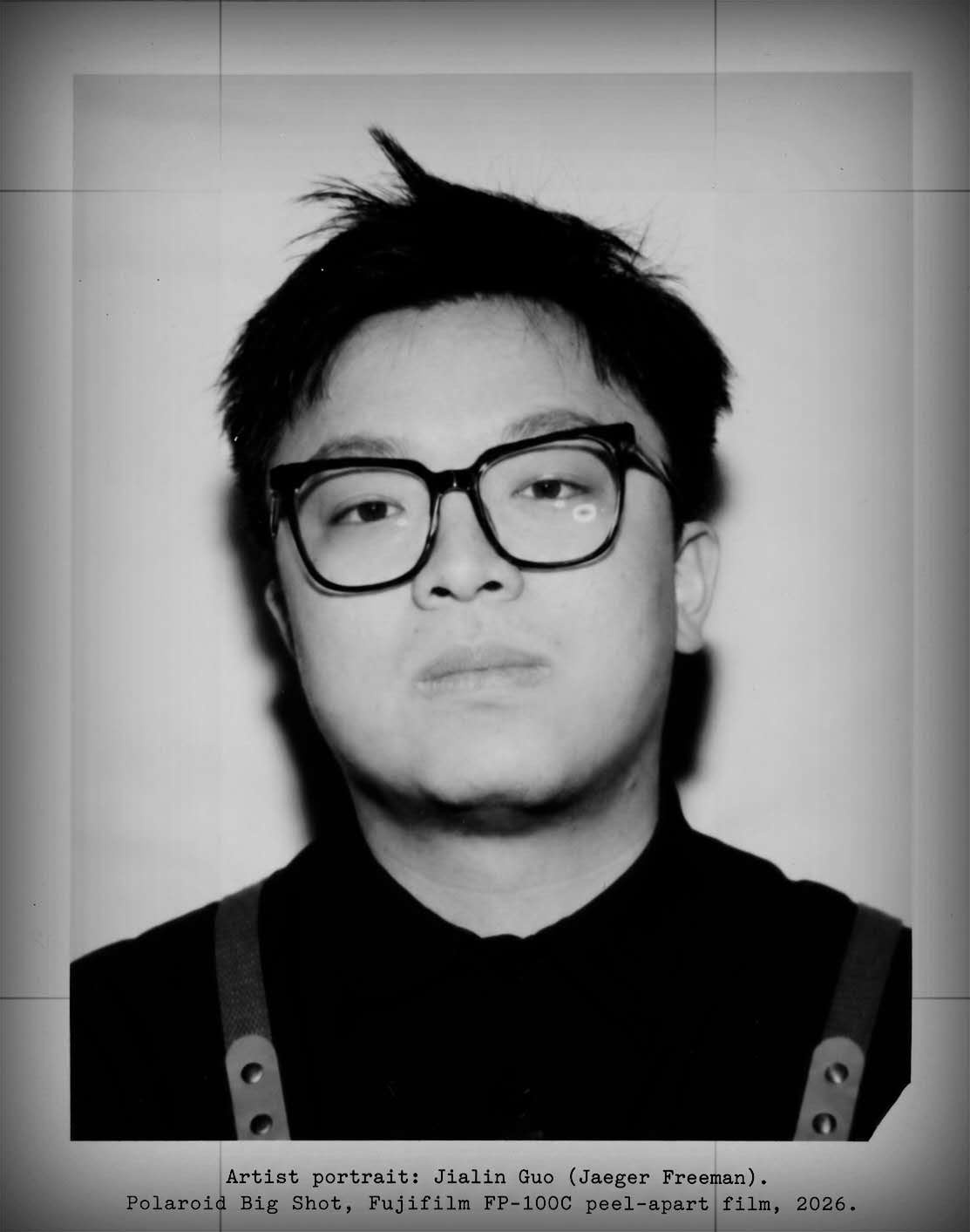
Q4. What role does AI play in the project?
AI is part of the project, and a key point in civilisation's movement from information asymmetry towards automated agency. But I do not think the work is really “about AI”. What interests me is human agency within this transformation.
In the work, a system receives information that is incomplete yet private, then produces a coherent description of a person. AI makes that process particularly visible, but photography has always done something similar. So have biography and memory.
The problem becomes more serious when these descriptions start to affect real decisions. A CV is clearly not a whole person, but it may decide whether that person gets an interview. Productivity scores can compare workers; follower counts can affect visibility; algorithmic profiles can shape what someone sees and which opportunities they receive. Many competitive systems more readily reward signals that can be displayed, quantified and circulated, while real costs, long-term commitment and invisible labour often struggle to enter the same framework of evaluation. While studying economic policy and applied economics at ANU, I encountered questions of game theory, institutions and incentives. Later, commercial photography and collaborations showed me more directly how information asymmetry, signalling and individual strategic interaction enter real relationships. My academic experience and some unhappy commercial collaborations led me to untangle these connections. Gradually, I began to see how seemingly minor records create information asymmetry and become part of individual strategic interaction and systemic power.
The question therefore shifts from the accuracy of records to power. A record may begin by describing a person, then compare them, assign value to them and optimise them. Ultimately, it may even ask: after the arrival of AI, can human beings be replaced?
This is where the question of records becomes a question of human agency.
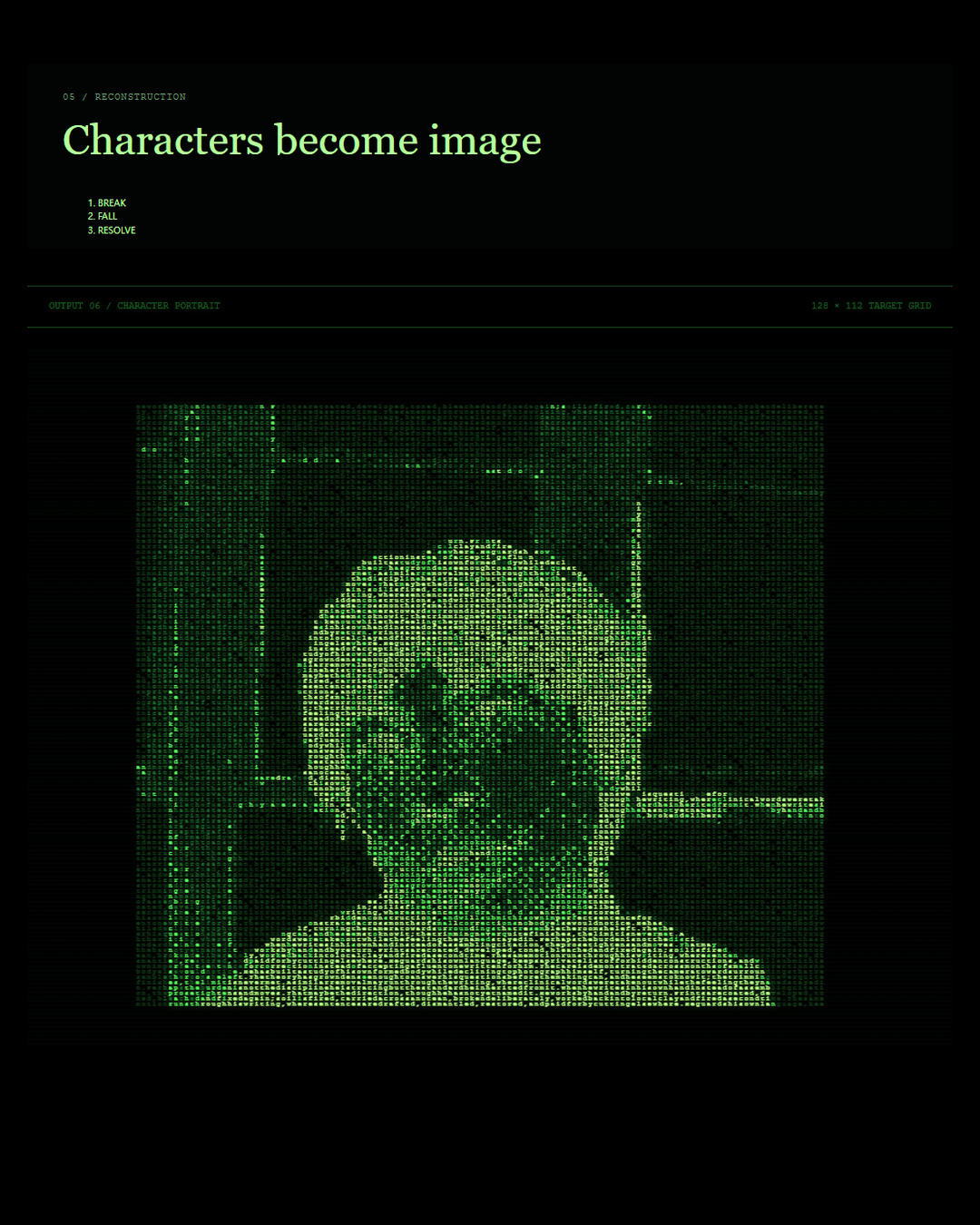
Q5. Why is Human Response so important?
Because I do not want a person to become passive material within an archive.
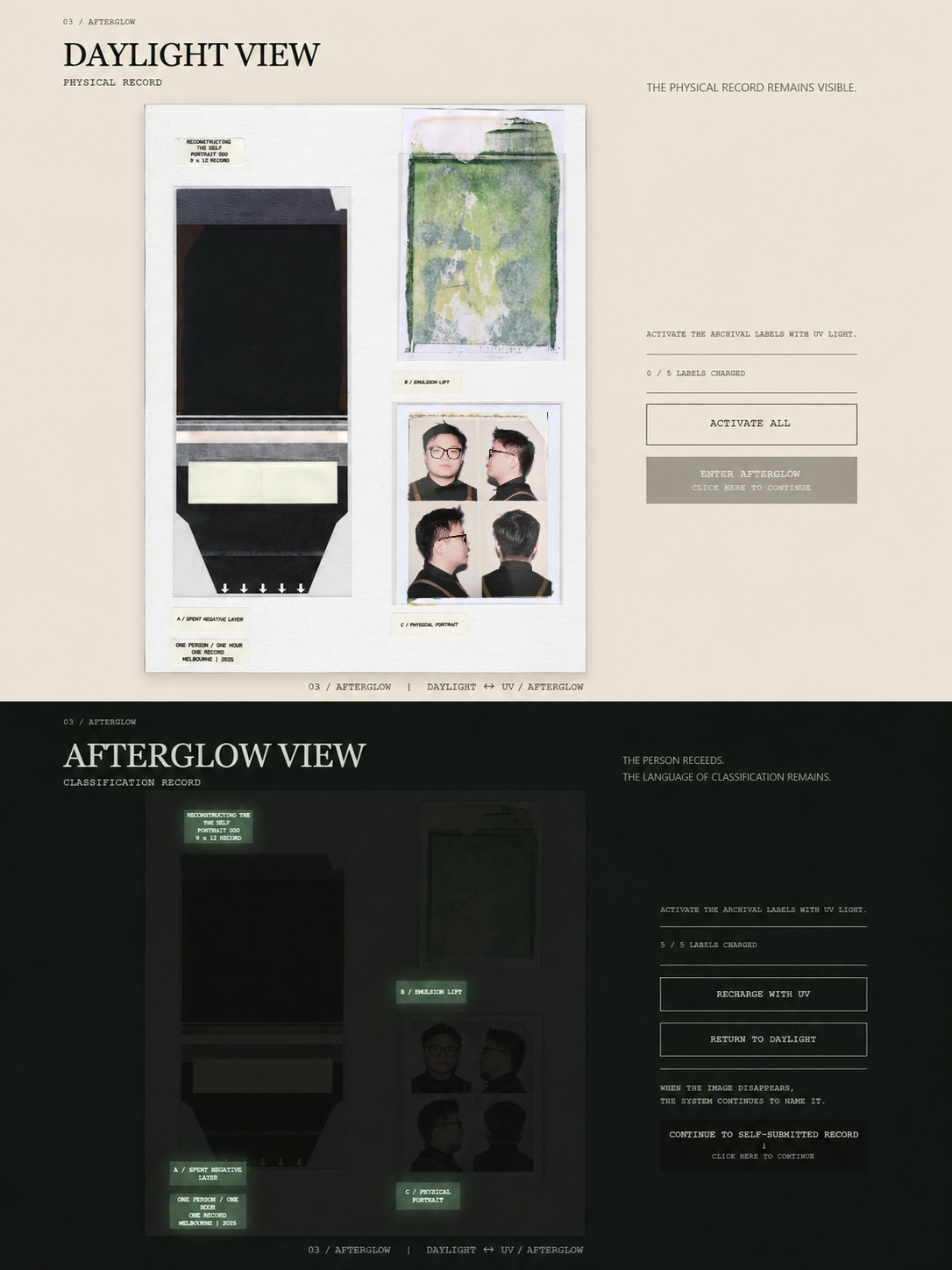
The current process is: Physical Record → AI / Language Interpretation → Human Response → Reconstruction → Record Sealed.
Participants can respond to the descriptions made about them. They can agree, correct, reject, or leave the disagreement unresolved.
If disagreement itself is something that cannot be cleared away, then sometimes making that disagreement visible is the most important part of the record.
And “Record Sealed” does not mean that the archive has finally discovered the truth about someone. It simply brings the different layers together while preserving their visible differences.
For me, retaining the right to respond matters more than producing a perfectly accurate portrait.
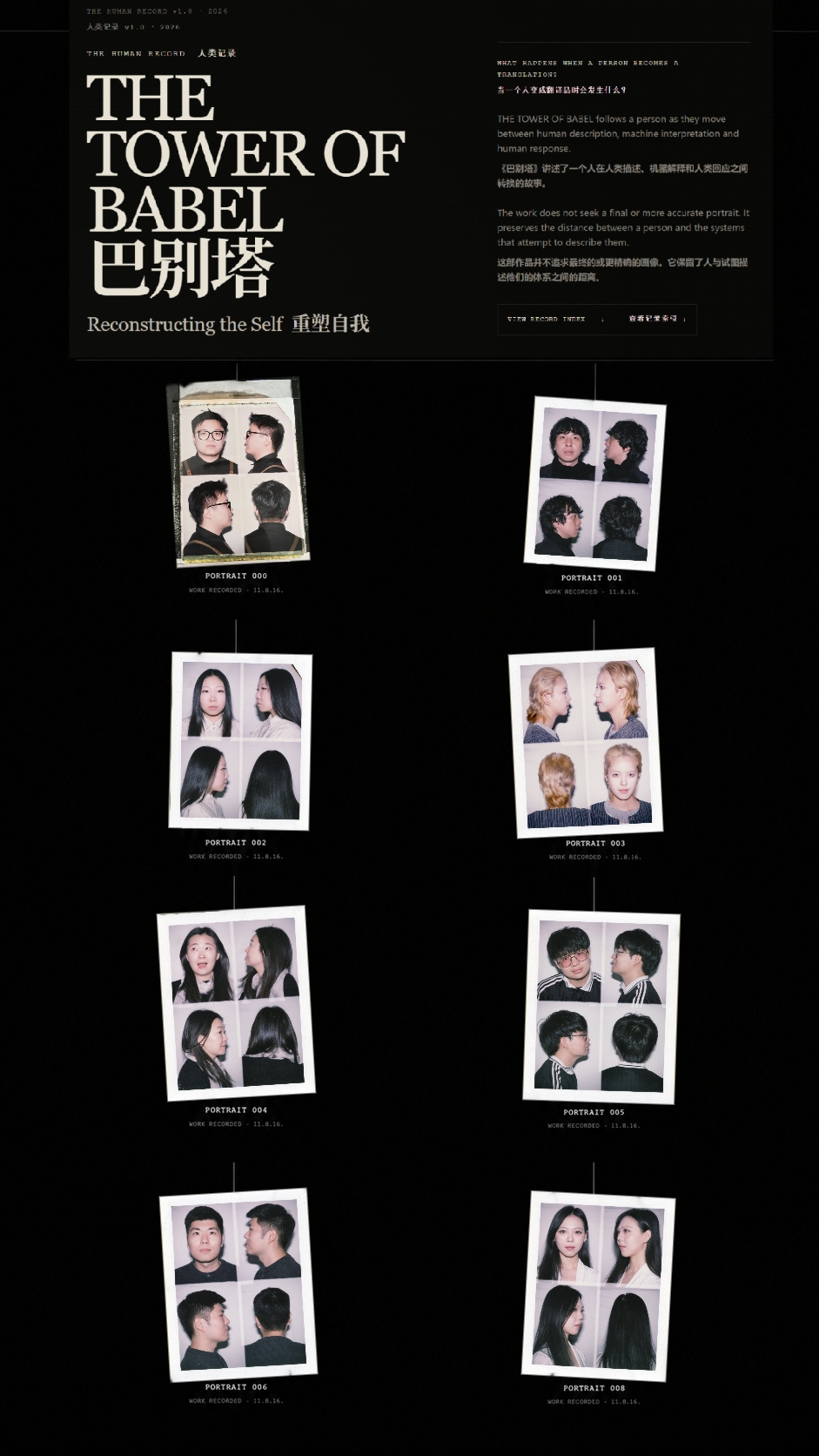
Q6. Why place discontinued peel-apart film alongside digital systems?
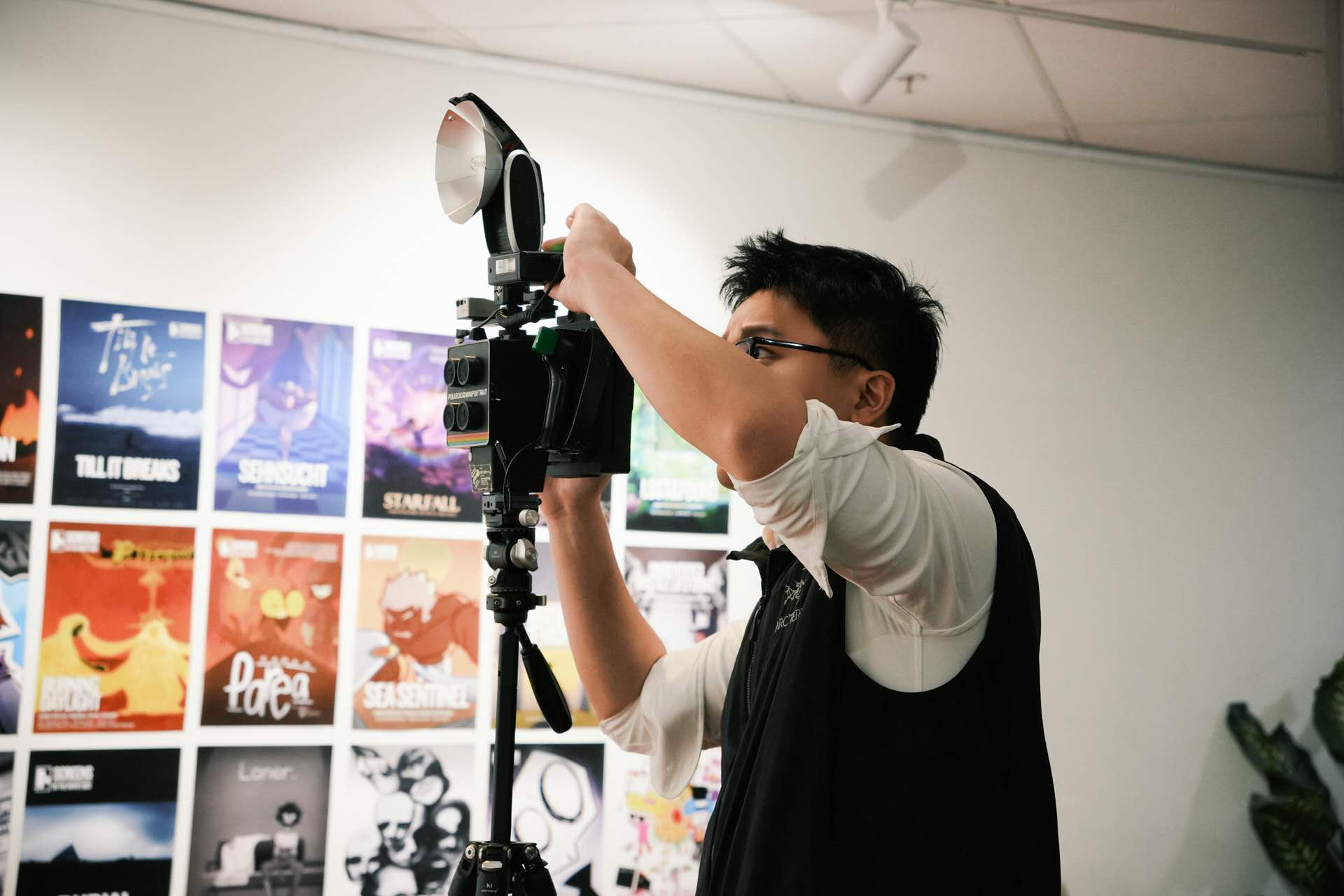
Rather than imitate Andy Warhol and turn Big Shot headshots into a commercial, social-media-ready product, I prefer the tension between these materials and systems. Instead of simply making an expensive, scarce material into an appealing commercial portrait product, I want to use it as an entry point into the whole recording system. It first draws people closer, then leads them towards questions of records, interpretation and agency.
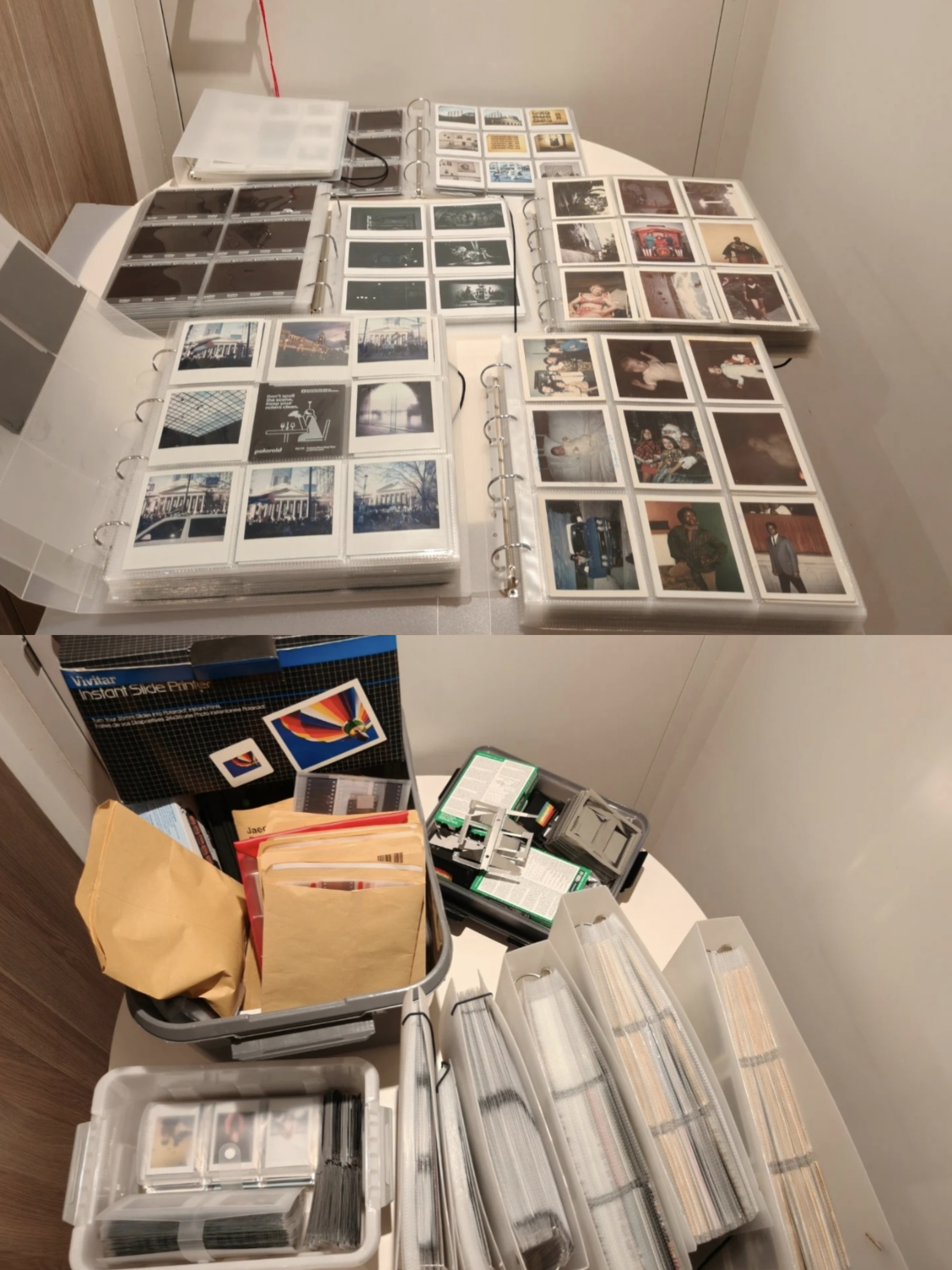
Digital records seem almost weightless. They can be copied, processed and circulated again and again. Peel-apart film is very different. Every exposure consumes a finite physical object. There are chemical reactions, residue, ageing, separation and irreversible change.
I do not use it simply because it is scarce. What matters to me is that it makes the upfront consequences of recording visible: it makes the material cost of recording visible. A photograph is made, something is consumed, and an irreversible material trace remains.
Placed alongside digital archives and machine interpretation, this material fragility reminds us that recording is never completely neutral. It is like Nolan's new film The Odyssey, in which Odysseus defies Zeus's law and uses the Trojan Horse to take the city. This represents the beginning of a civilisation of deception incentivised by information asymmetry. Equally interesting is the work of his younger brother Jonathan Nolan, who co-created Westworld with Lisa Joy. The series directly draws on Julian Jaynes's “bicameral mind theory” to consider how a subject whose behaviour is pre-programmed by a system gradually develops self-awareness. Perhaps our real concern is not simply that machines might become self-aware, but what happens when an autonomous system becomes unpredictable and uncontrollable. Looking back at ourselves, are human consciousness, intention and judgement ever completely transparent? This time, however, ordinary people may face the loss of final control over machines and AI agents. Film is an art through which ideas can be expressed. I hope to do something similar with peel-apart film.
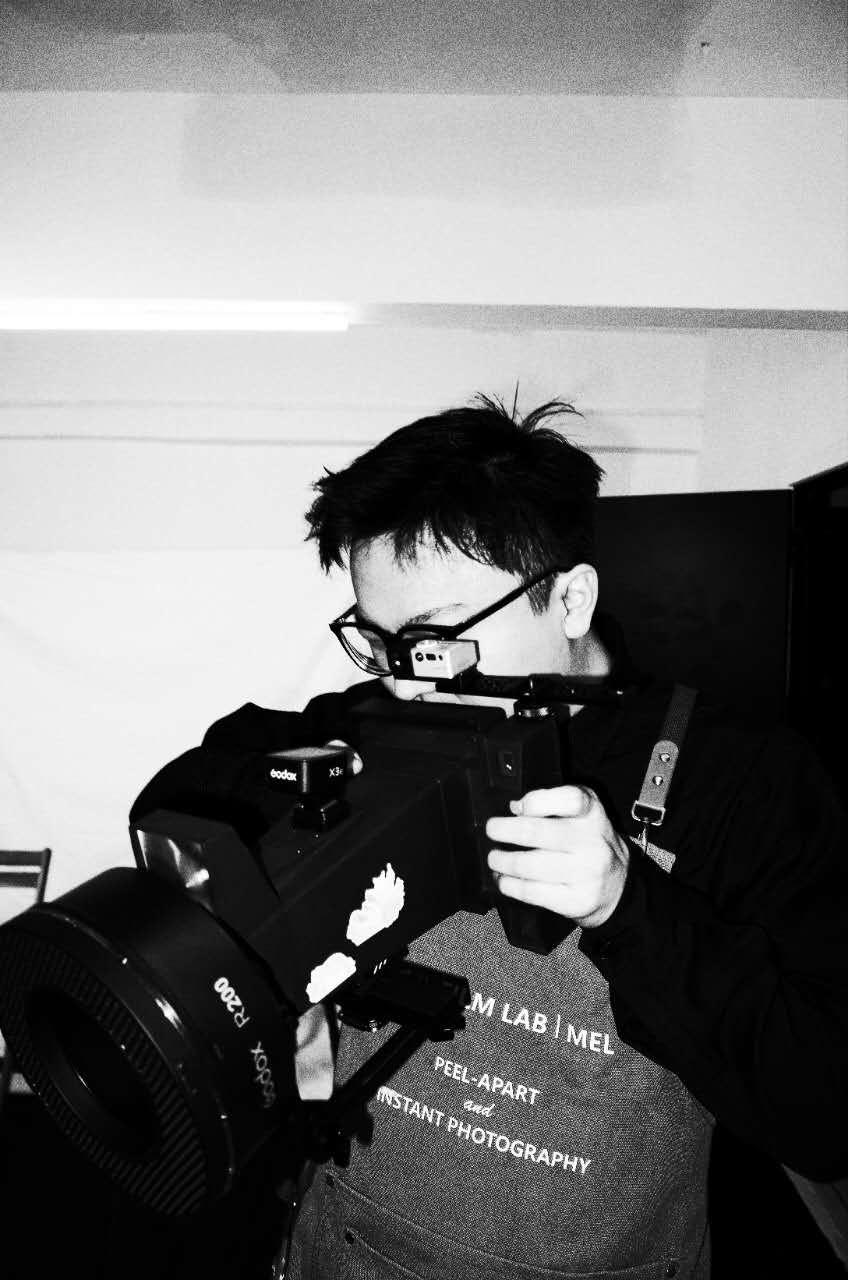
Q7. How did the CAAC exhibition change the project?
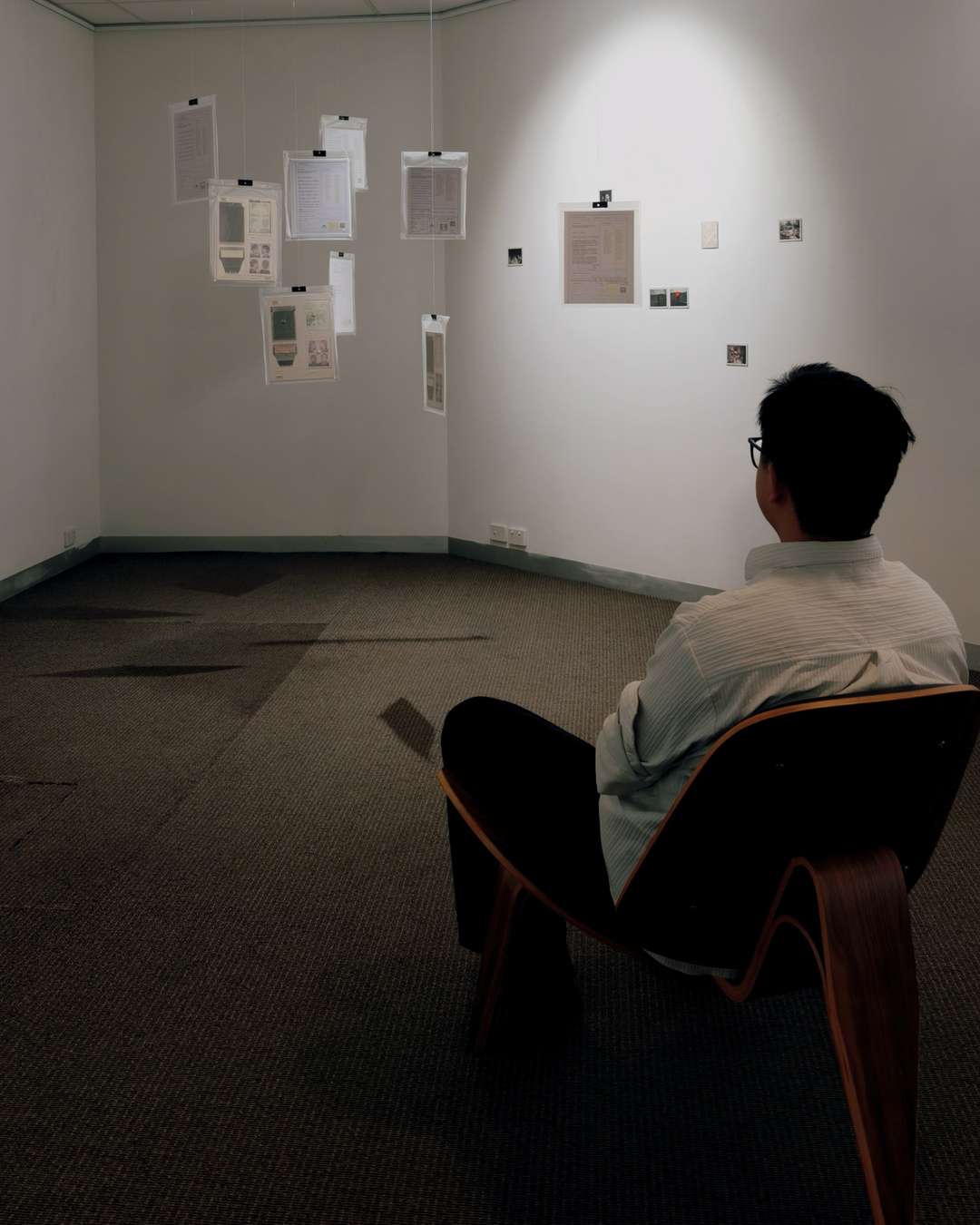
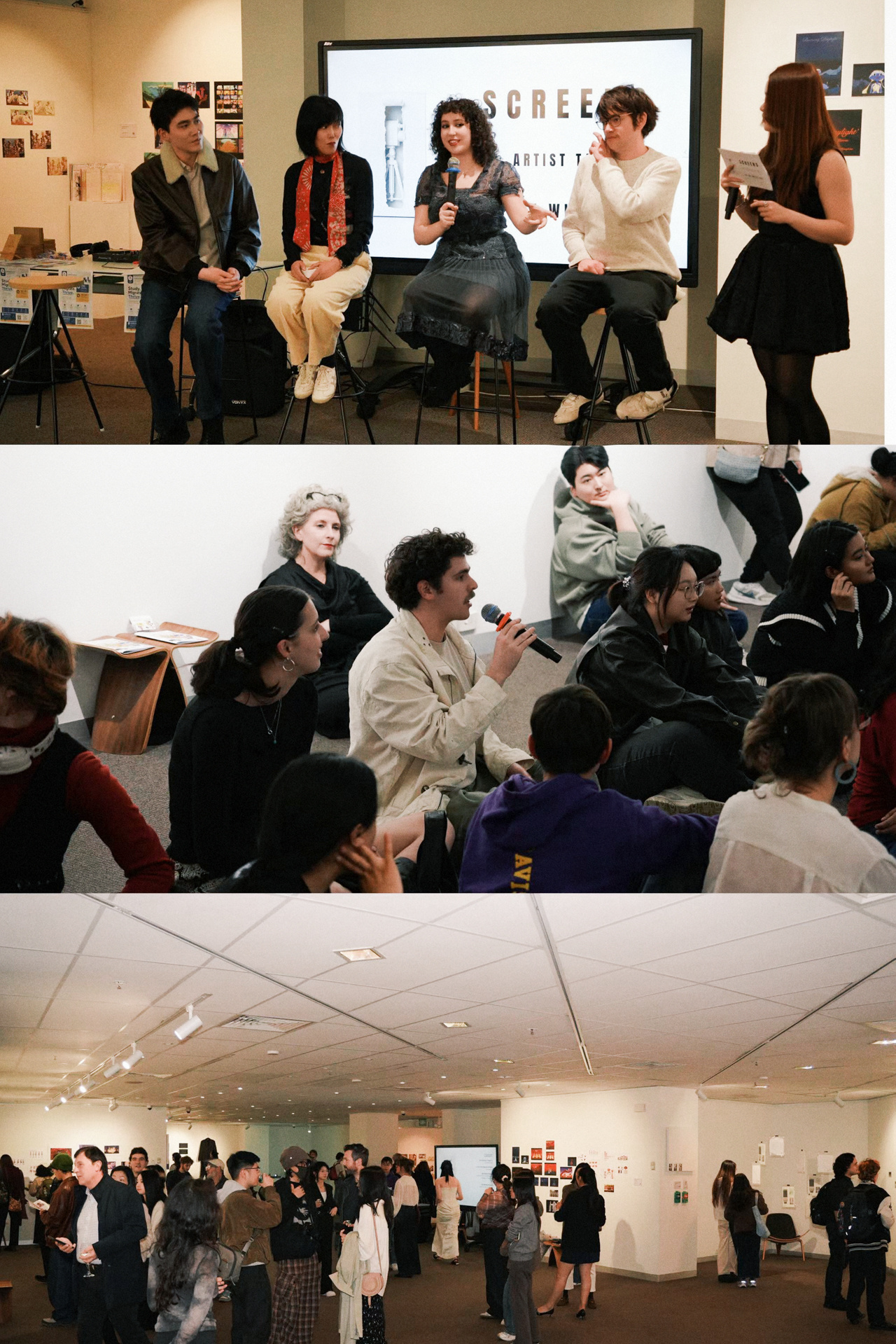
CAAC was the first time the project really moved from a private working system into a larger public environment.
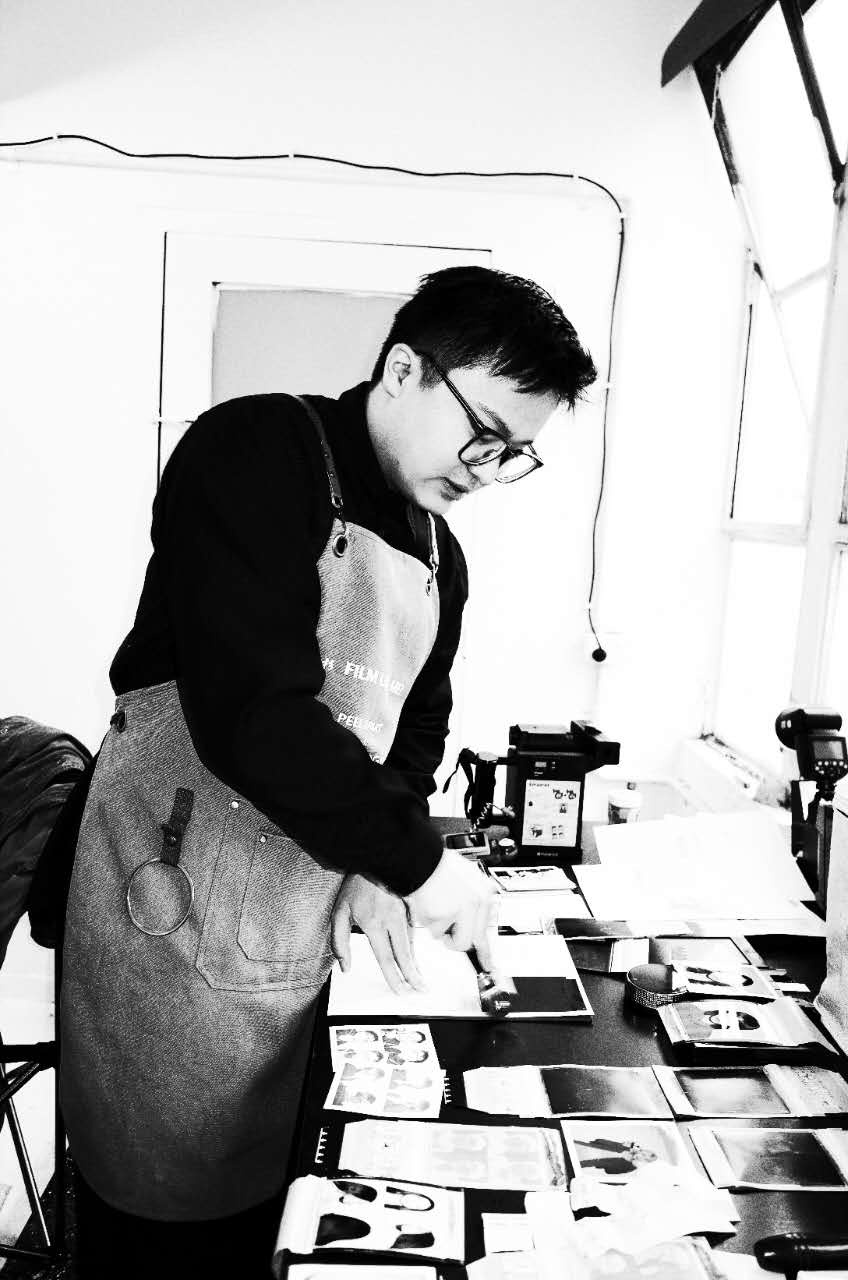
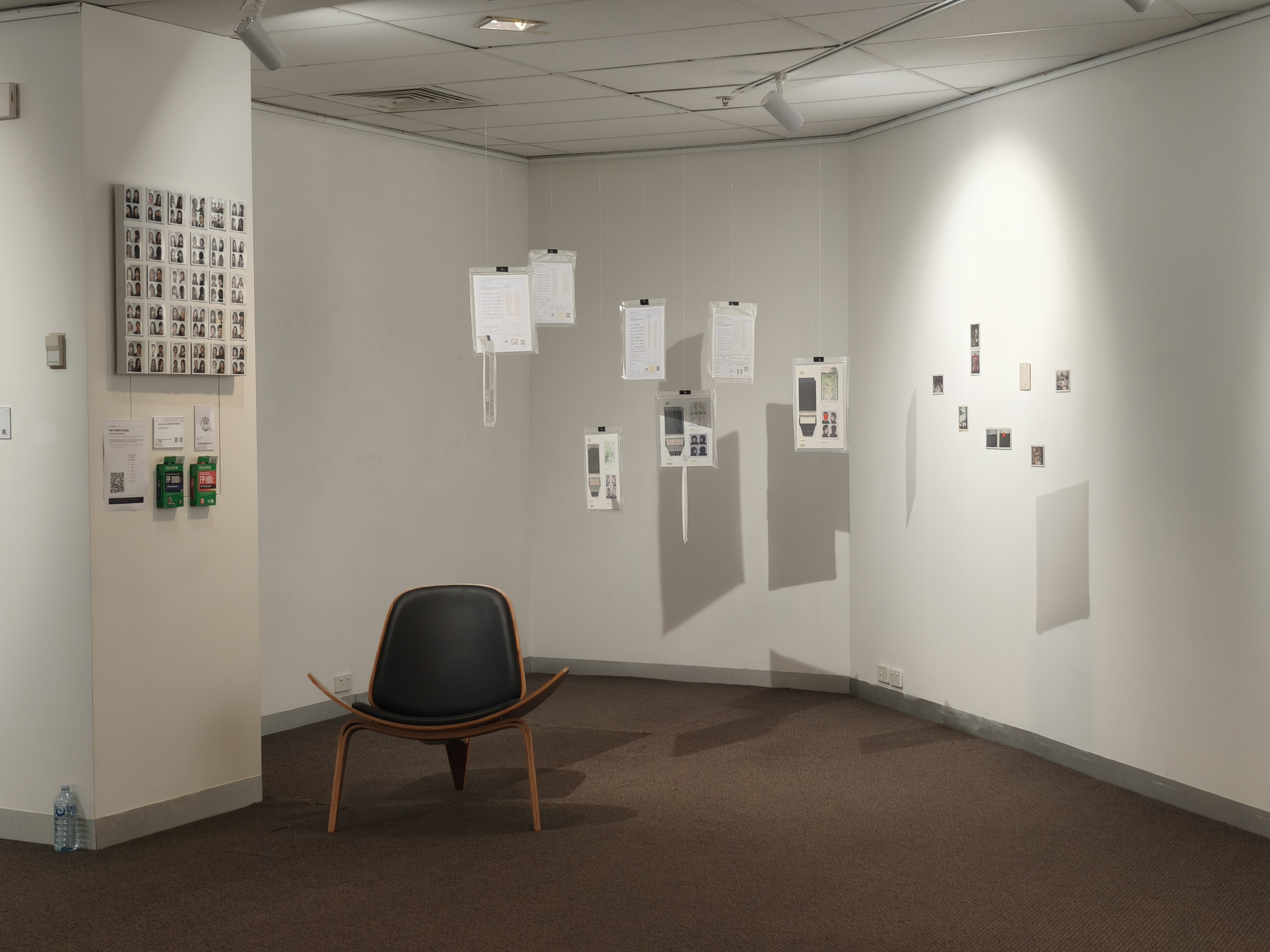
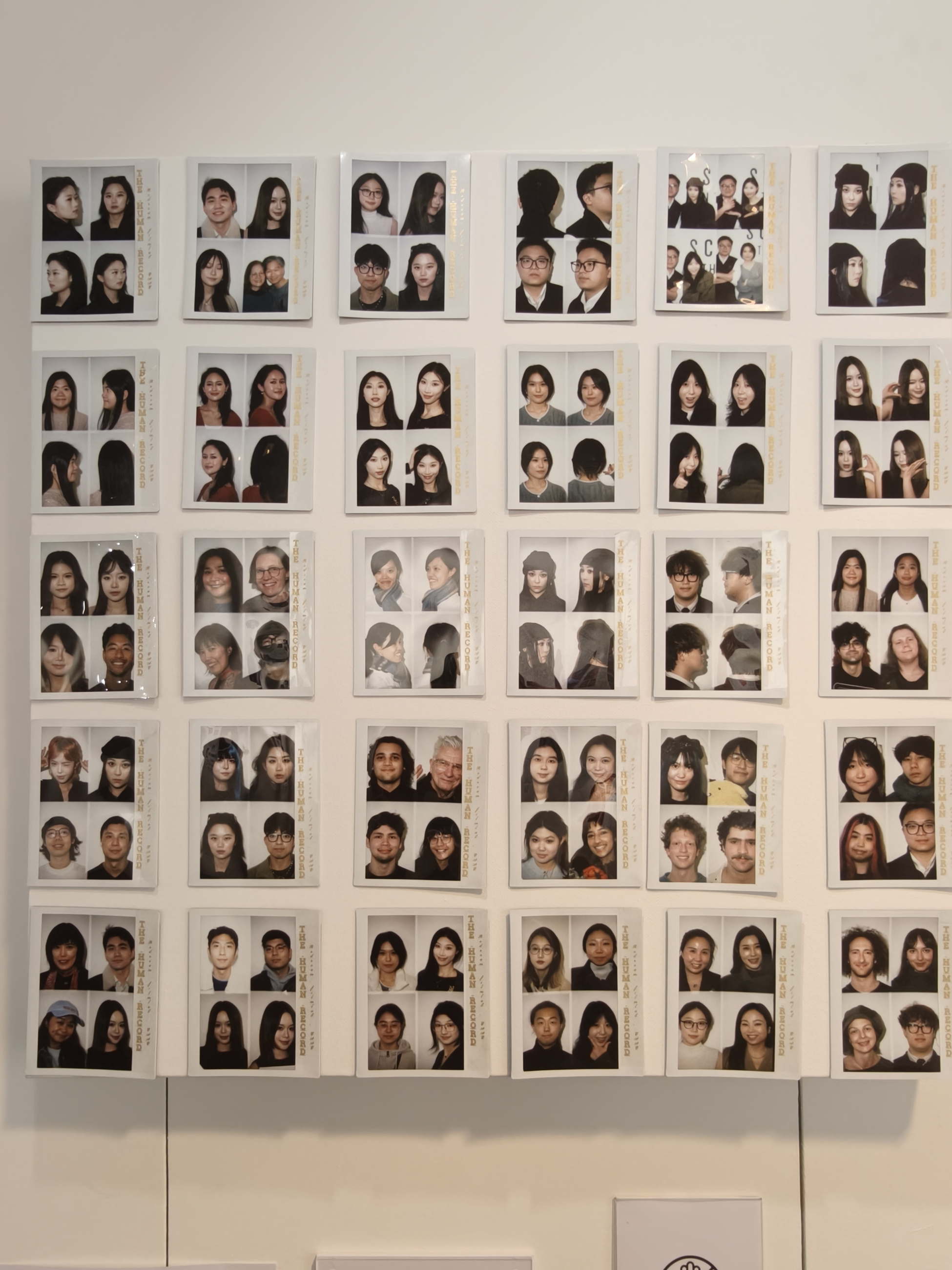
The opening-night portrait activation was particularly important. Approximately 70 participants were photographed in the same repeated four-frame structure. The photographs gradually formed a wall, rather than remaining individual portraits.
This changed how I looked at the work. I began to focus less on the individual subject and more on what happens when records keep accumulating.
When does a group of portraits become an archive? What happens when that archive outlives the event that produced it? And as the archive grows, what responsibility does the artist have?
In that sense, the CAAC presentation does not feel like a completed chapter. It feels more like the first public test of a longer project.
Q8. Where does THE HUMAN RECORD go next?
I want to keep expanding the project beyond the question of whether a machine can describe a person.
I am increasingly interested in the systems that translate people's records into automated agents more broadly. Language is one system; memory is another. Economic value and legal relationships each form systems too.
These systems are useful. We need them. But they also “alienate” us.
For me, the longer-term question is becoming: how can a person remain human within systems that record, compare and interpret them?
I do not expect the project to arrive at a final answer. In some ways, refusing a final answer is itself part of the work. Refusing to let a system act entirely on one's behalf is also a way of reclaiming agency. In an environment increasingly inclined to hand judgement and action to automated systems, refusing to be fully represented and acted for is itself a practice of agency. In a zero-sum civilisation where people are drawn passively into AI competition, everyone has to keep running to survive. Everyone is asked to keep learning, adapting and optimising themselves. But perhaps the question is not only “What else can I learn?” but “Who has the authority to decide what I must adapt to?” Sometimes, stopping to examine the whole system and retaining the right to say “no” to a bad one is itself an act of courage. As DeepSeek engineer Liu Shengyu discussed in a post a few days ago, communism and cyberpunk may be separated by no more than the thin line of human nature.